Why Should I Repipe?
Signs
Know When It’s Time To Repipe
Homeowners often ask, “Why should I repipe?” when dealing with recurring plumbing issues.
Major plumbing leaks, including slab leaks, can cause significant disruption to a home if left unaddressed. When a leak occurs beneath the foundation or within walls, water can spread beyond what’s immediately visible—affecting flooring, drywall, and structural materials.
Once the water is removed, drying and restoration can take time, and repairs often extend beyond plumbing alone. In many cases, the cost and disruption increase because the underlying plumbing system continues to deteriorate even after the initial leak is repaired.
Understanding the warning signs early can help homeowners make informed decisions before problems escalate.
Why Do Leaks Keep Happening?
If you’ve experienced a pinhole leak in a copper pipe, it’s often not an isolated event. In many homes, repeated leaks are caused by aging plumbing materials—particularly thin “M” copper piping interacting with treated municipal water over time.
As corrosion develops inside the pipe, additional leaks become more likely. At that stage, repairing individual sections may no longer address the broader issue, which is why repiping is often considered a long-term solution.
A professional evaluation can help you understand the condition of your plumbing system.
Copper Pipes
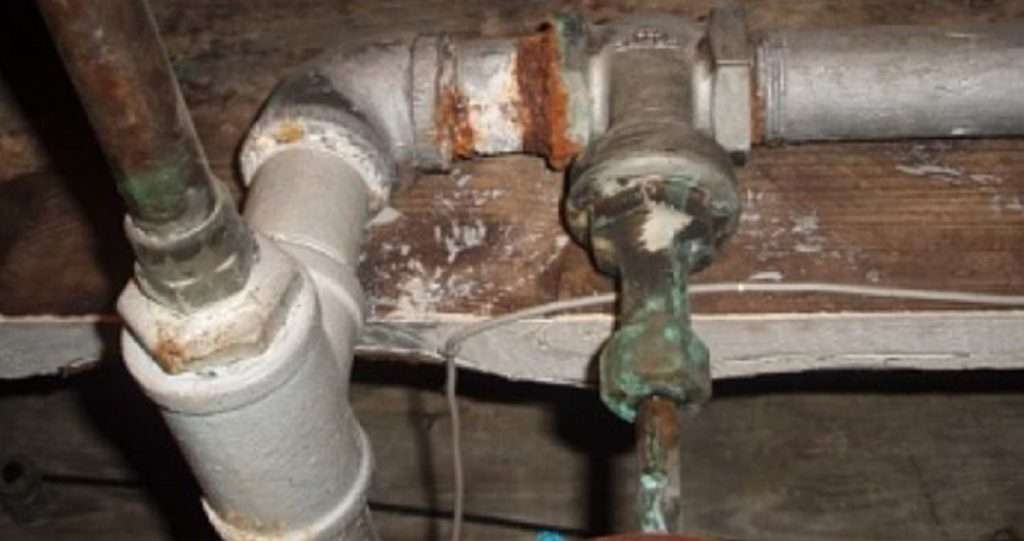
Green discoloration on copper pipes can indicate corrosion caused by long-term exposure to chloramines used in treated municipal water. Over time, this corrosion may weaken pipes and increase the risk of leaks.


Copper Pipe Types & Lifespan
Copper pipes are commonly identified by colored markings that indicate pipe thickness and durability. In California homes, the most common types include:
Type M (red marking): Thinner copper, often used in older construction, with a shorter average lifespan.
Type L (blue marking): Thicker copper with improved durability and a longer expected service life.
Type K (green marking): The thickest copper pipe, designed for maximum longevity and durability.
Pipe lifespan can vary based on water quality, installation, and long-term exposure to treated municipal water, including chloramines.


Galvanized Pipes
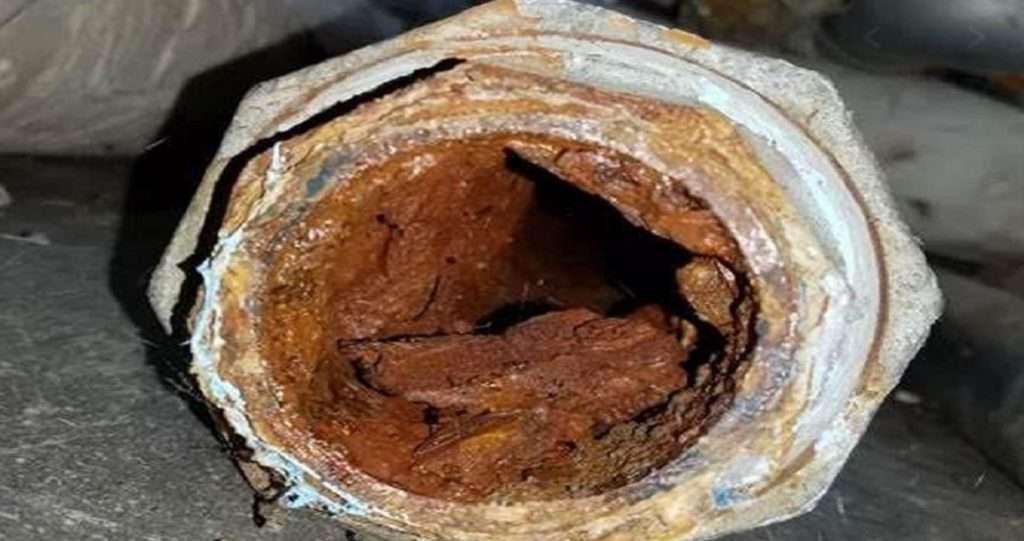
Galvanized pipes were commonly used in older homes and are prone to internal corrosion over time. Visible rust, flaking, or surface buildup can indicate that the pipe is deteriorating from the inside, which may restrict water flow and increase the risk of leaks.
Because corrosion often develops internally, galvanized pipes can fail with little warning once deterioration advances. For this reason, many homeowners choose repiping as a long-term solution when galvanized plumbing is present.


Does the Water in Your Home Appear Brown or Discolored?
Brown or discolored water is often a sign of rust or sediment buildup inside aging pipes. As corrosion develops, it can affect both water quality and water pressure, leading to reduced flow at fixtures throughout the home.
In many cases, these issues are caused by internal pipe deterioration rather than isolated blockages, which is why repiping is often considered when discoloration and pressure problems occur together.