


If your home or building has been around for a few decades, there’s a good chance it still has galvanized plumbing. It was the go-to solution for water pipes for many years. But now, homeowners and property managers are starting to ask a common question: How long do galvanized pipe actually last? And more importantly, should I replace them?
What Is a Galvanized Pipe?
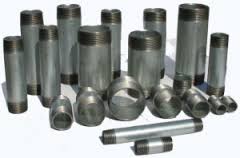 A galvanized pipe is made of steel and coated with a layer of zinc to protect it from rust and corrosion. The idea behind the coating was solid it was meant to extend the life of the pipe. For a while, it worked.
But over time, that zinc coating wears down. Once that happens, the inside of the galvanized pipe begins to rust. The buildup inside can narrow the pipe, leading to reduced water pressure, discoloured water, and even pipe bursts. From the outside, these pipes might look fine, but inside, they can be severely corroded.
If you’ve have galvanized pipes in your home, it’s worth checking their condition, especially if you’ve noticed plumbing issues, such as low pressure or brown water.
What Is Galvanized Plumbing?
 Galvanized plumbing refers to entire water systems built with steel galvanized pipes. This was common in homes built before the 1970s. Back then, it was considered durable and cost-effective. But today, it’s considered outdated.
Many plumbers now recommend replacing old galvanized pipes because of the long-term problems they can cause like rusty water, frequent leaks, and even potential health risks due to lead exposure from corroded pipe joints.
If you’re unsure what kind of pipes your home has, it may be time to schedule an inspection.
Key Factors That Affect How Long Galvanized Pipes Last
On average, galvanized steel plumbing can last anywhere from 40 to 60 years. But that’s just a general range. The actual lifespan of galvanized pipes depends on a few important things:
- Water Quality: Hard or acidic water wears away the protective zinc layer faster.
- Installation Date: If your pipes were installed before the 1960s, they’re likely near or past the end of their useful life.
- Environmental Conditions: Pipes laid underground or in humid areas tend to corrode more quickly.
- Maintenance: Regular inspections and flushing can extend the life of your pipes, but neglect speeds up deterioration.
Some galvanized water pipes may still be functional today but many are ticking time bombs, especially if they’ve never been serviced or checked.
Get a Quote to Replace Your Galvanized Pipes
If you’re dealing with brown or rusty water, low water pressure, or recurring leaks, your old galvanized pipe system could be the culprit. The good news? You don’t have to deal with it forever.
Our team specializes in full and partial repiping services. We’ll take a look inside your existing plumbing, assess whether your galvanized plumbing needs to go, and provide a no-hassle, transparent estimate.
Replacing those outdated pipes can not only improve your water quality it can also increase your home’s value and prevent costly water damage down the road.
Frequently Asked Questions
Can galvanized piping be used for water?
It can, and was for many years. But today, galvanized pipes are no longer recommended for water supply due to their tendency to corrode and release rust into the water over time.
How long does galvanized pipe last underground?
Typically, galvanized pipes underground last around 30 to 50 years but moisture, soil conditions, and climate can shorten that considerably.
When were galvanized pipes used?
Galvanized steel plumbing was widely installed from the 1920s through the 1970s in residential and commercial properties across the U.S.
When where galvanized pipe invented?
The process of galvanization was developed in the 19th century, and galvanized pipes became more mainstream in construction in the early 20th century.
Is galvanized plumbing bad?
Yes, it’s now considered outdated. Corrosion inside these pipes can reduce water quality and pressure, and there’s a potential risk of lead contamination, especially in older fittings.
When did galvanized plumbing stop being used?
Most homebuilders stopped using galvanized pipes around the 1960s to the early 1970s, when copper and plastic alternatives became more reliable and safer.
Why is galvanized plumbing bad?
Over time, the zinc coating inside the pipe wears off. This leads to rust, blockages, leaks, and sometimes health risks due to heavy metals leaching into the water.
How long before galvanized steel rusts?
Rusting can begin as soon as the protective zinc layer wears down, usually within 20 to 30 years depending on water quality and environmental conditions.
0 Comments