

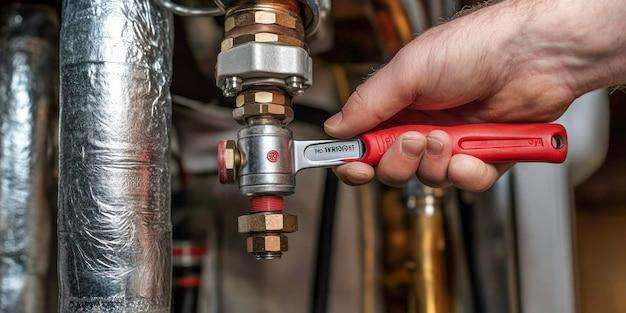
When it comes to upgrading your home, new plumbing installation can be an effective way to improve energy efficiency. Installing new plumbing pipes that are designed to conserve water and optimize energy use can save you money in the long run. Not only can this enhance your comfort, but it can also reduce your carbon footprint.
Why Energy Efficiency Matters in Plumbing?
In older homes, plumbing systems can be inefficient, leading to high water and energy bills. Aging pipes may have leaks, poor insulation, or outdated fixtures that waste both water and energy. Installing new plumbing pipes allows you to address these issues and enjoy a more efficient system. Whether you are upgrading your water heater, replacing old pipes, or installing new fixtures, choosing the right materials and tools can lead to long-term savings.
Choosing the Right Materials for Your New Plumbing Installation
When replacing pipes, the material you choose impacts energy efficiency and durability. New plumbing pipes made from PEX (cross-linked polyethylene) are energy-efficient, as they reduce heat loss during water transport, helping maintain consistent temperatures and lowering heating costs. Copper pipes, though pricier, are durable and energy-efficient, especially with proper insulation. This makes them a great choice for plumbing systems carrying hot water.
Upgrade to Low-Flow Fixtures
A great way to boost energy efficiency during new plumbing installation is by using low-flow fixtures. Installing low-flow showerheads, faucets, and toilets reduces water consumption, which lowers the energy needed to heat water. These fixtures are easy to install and can lower your water bills. Many modern models offer the same water pressure and functionality as traditional ones, but with less water usage, helping you save resources and money.
Insulating Pipes for Energy Savings
One important step during new plumbing installation is to insulate your pipes. Insulation prevents heat loss from hot water pipes, ensuring that the water remains at the desired temperature for longer periods. This helps reduce the time your water heater needs to run, lowering energy consumption. In colder climates, insulating pipes is especially important to avoid freezing, which can cause costly repairs.
Additionally, insulated pipes can maintain water temperature throughout your home, ensuring that water from the tap or shower feels warm and comfortable without wasting energy on reheating.
Consider Tankless Water Heaters
When installing new plumbing, consider switching to a tankless water heater. Unlike traditional models, which constantly heat stored water, tankless heaters only heat water on demand. This reduces energy usage, saving you money in the long run. Though the initial cost is higher, the energy savings make it a smart, efficient investment for your home.
The Importance of Professional Installation
While DIY plumbing may seem tempting, new plumbing installation is best left to professionals. An expert plumber will know how to properly install the system for optimal energy efficiency. They will ensure the pipes are correctly sized, insulated, and installed to maximize performance. Hiring a professional also reduces the risk of leaks and other issues that could lead to higher energy and water bills.
Ending Note
Investing in new plumbing installation for energy efficiency is an excellent way to improve your home’s overall performance. Choosing the right materials, upgrading to low-flow fixtures, insulating your pipes, and considering a tankless water heater can help conserve water and reduce energy costs. For expert assistance with new plumbing pipes, Creative Repipe provides professional services that ensure a job well done, maximizing long-term savings and boosting your home’s energy efficiency.
0 Comments